
International newspapers such as The NY Times
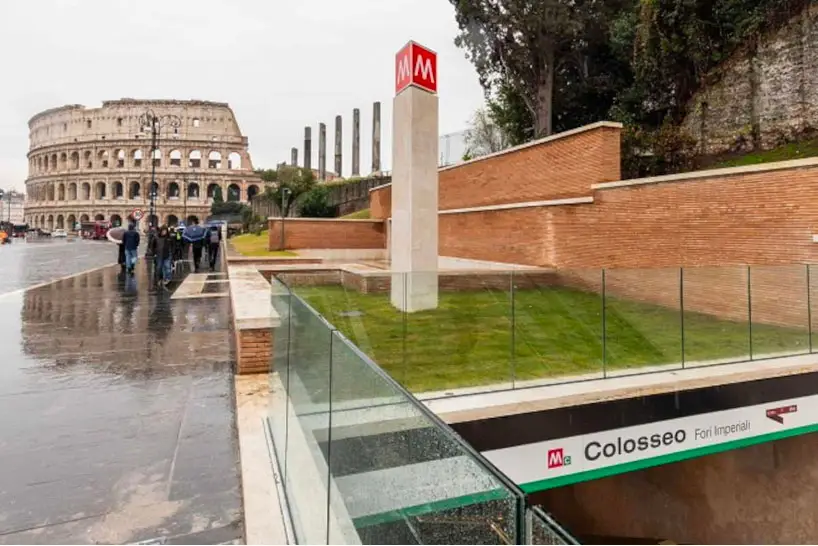
https://www.nytimes.com/2025/12/16/world/europe/rome-subway-stations-museum-archaeology.html?smid=nytcore-ios-share and The Guardian Relief and reward for passengers as Rome’s ‘museum stations’ finally open commented last week on the opening of some stations of Rome’s new metro line C, which connects the historic core to the Castelli Romani. Indeed, the “museum stations” of Colosseo-Fori Imperiali and Porta Metronia (this last one in the proximity of San Giovanni) opened their doors to the incredulous eyes of Roman commuters, who had experienced innumerable inconveniences during the last 13 years since the project’s inception in 2012 — actually, Piazza Venezia station will not be ready up to 2030.
If one “takes into account that Italy, according to UNESCO, is the richest country around the world with archeological and historical assets on its surface, do we also need those underground?” This ironic (if not sarcastic) comment of one broadcaster of “Radio Capital” (18/12/25, 7.20 pm) asking for a more efficient transportation instead of further “archeological stations”, represents one part of Roman’s public opinion. Another one is expressed by the authorities’ statements during the inauguration. In the words of the Minister of Culture Alessandro Giuli: “This case demonstrates that the Superintendency can put its expertise at the service of the public, while it is often said that archaeology is the enemy of growth and development”. In those of Rome’s Mayor Roberto Gualtieri: these stations show how “complex engineering works” could coexist with the “extraordinary historical stratification of our city […] without these works hundreds of artifacts would have never been discovered … Today, we know much more about our past.”
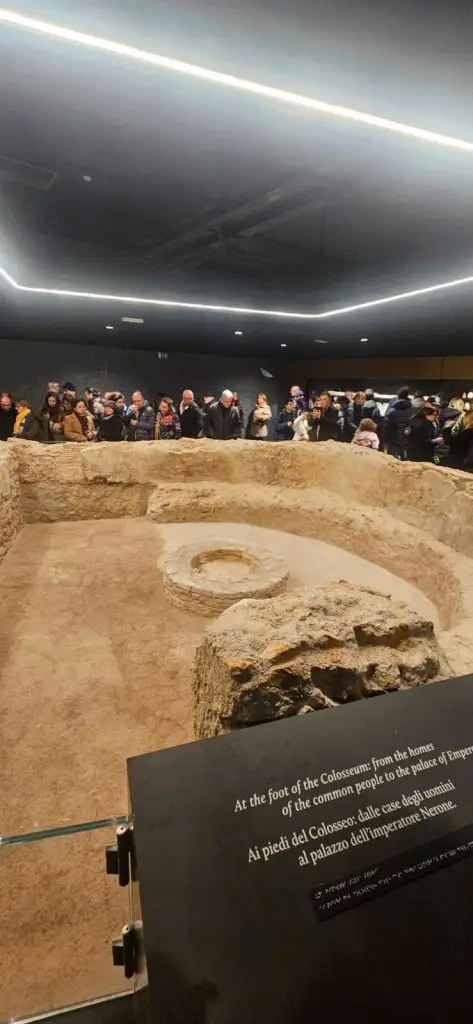
However, the opinion of tens of thousands of Roman residents is more loudly expressed by their inflow in the new stations, even when not using the metro. Attracted by the three-dimensional video installations and dioramas that describe the transformation and birth of Via dei Fori Imperiali and narrate the evolution of the imperial Fori, the crowds remain silent and attentive, before starting to take photos of all the new findings exposed, which are exhibited in the lower parts of the Colosseo station after the turnstiles. Twenty-eight wells from the Republican era represent the narrative focus of all the museographic layout and literally accompany the visitor/metro user in the depths: in search of water, archeological remains, or the train!
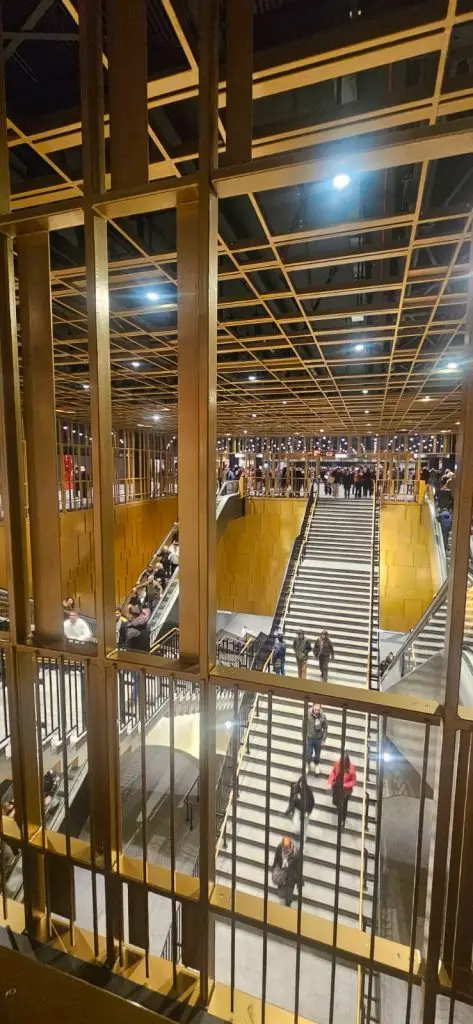
As the architects and exhibition curators @FilippoLambertucci and Andrea Grimaldi put it, “The Colloseo station project transforms the space into a historical narrative, integrating urban mobility and public archaeology”.
The exceptional findings of Porta Metronia —huge military barracks with a commander’s house of the late Republican period, featuring frescoes and mosaic floors — will be instead housed in a separate thought connected to the station museum (to be opened in spring 2026) according to @PaoloDesideri of ABDR architectural office.
The nicknamed “Byzantine Pompei” in Venizelou station of Thessaloniki metro (opened last year in Greece) highlights the same issue brought forward by most of similar archeological stations —like the one of Naples, of Athens — that, “this is not just a public project […] it is also a museum.” as the Greek Prime Minister Kyriakos Mitsotakis has put it. https://greekreporter.com/2024/12/03/venizelou-thessaloniki-metro-station-museum-archaeology/. A public museum that is open amidst the daily activities of commuters, revealing layers of their history. This is what is reflected in commuters’ eyes: I am, I am a fragment in this eternal city’s palimpsest.
Heleni Porfyriou
One Response
Metro C Coloseo is an excellent project which integrates public transportation with archeological work ! It challenges the interdisciplinary cooperation as well as capacity of engineering technology and creative ideas of station architectural and space design. With creatively carrying and presenting the ancient history on site with digital humanity in public museum system, and in the end creates a ” New Forum” for all–as a foreigner and temporary resident of Roma , I do feel the sense of cultural pride from the crowds !